Monster Chase
- 4.5
- Rating
- 5.00M
- Installs
- Free
- Price

 Analysis by App-foxy
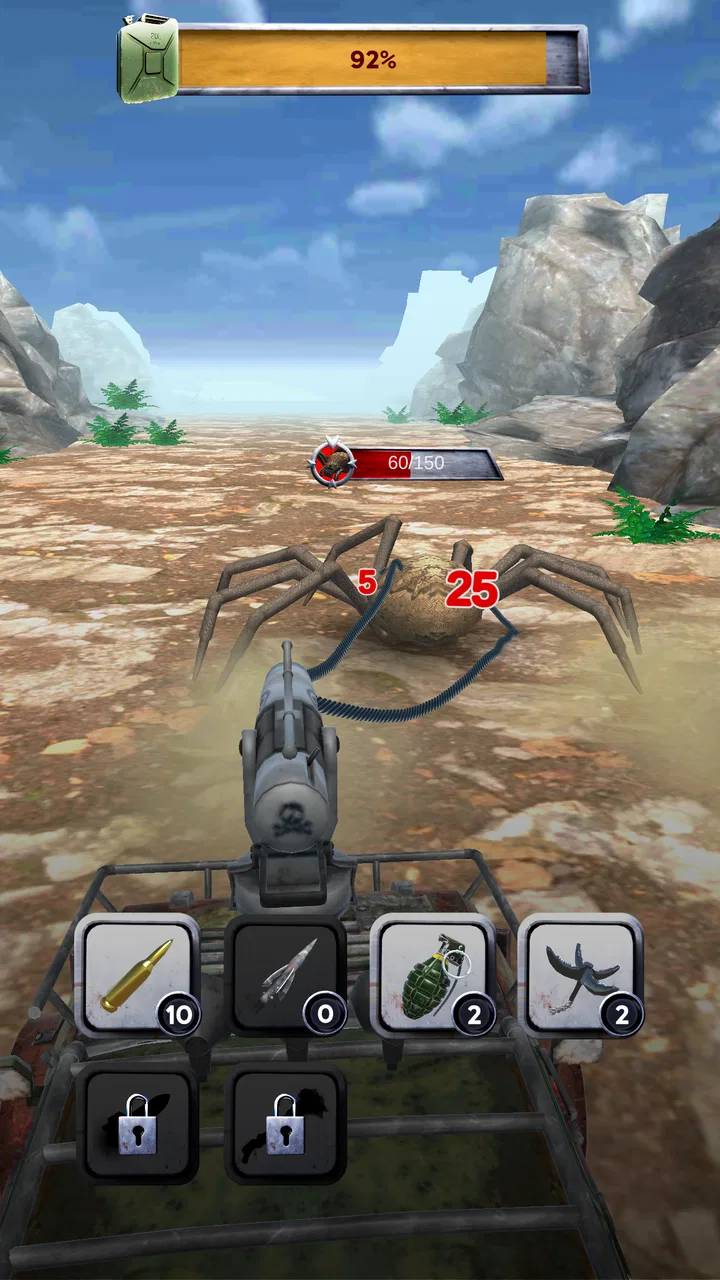
I usually judge a quick arcade game by one simple question: can I hand it to someone else in the household and have them understand the appeal almost immediately? Monster Chase makes a good first impression in that situation. It is a free arcade game from Ketchapp built around a straightforward idea: chase monsters, react quickly, and keep going when the pace starts to tighten. The store summary, “Chase them all!”, is brief, but it captures the directness of the experience better than a long explanation would.
I spent time with it as the sort of game people open between other tasks rather than as a long, story-heavy adventure. That distinction matters. This is not the game I would choose when I want character development, a large world, or a carefully guided campaign. I would choose it when I want a compact challenge that can be understood without a tutorial session. The free entry point also makes it easy to try before deciding whether its style suits you.
Its listing places it in the arcade category, and that feels accurate. The focus is immediate action and repeat attempts, not exploration or planning several chapters ahead. With a 4.5 average from around nineteen thousand ratings and over five million installs, it has clearly found an audience. I still think those figures should be treated as a sign of broad appeal rather than a guarantee that every player will enjoy the same loop.
You May Also Like

 Blood Strike: 2.5 Anniversary
Blood Strike’s Loadouts Turn Every Drop Into a Tactical Gamble
A close look at Blood Strike’s custom loadouts: how fast access to signature weapons reshapes its battle royale rhythm, rewards preparation, and narrows the gap between fights.

 Pandora - Music & Podcasts
Pandora’s Music Is Easy to Start, but Harder to Recover
Pandora’s strength is its low-effort path from a seed to a station. Its weak spot is how much confidence it asks you to place in connection, setup, and quiet recovery.

 8 Ball Pool
 Is Built on Rivalries, Rematches, and Routine
A close look at the rivalries, rematches, shared routines, and unanswered safety questions that turn a quick pool match into a persistent mobile community.

 Samsung Music
’s Quiet Strength Is Playing What You Already Own
Its reach comes less from spectacle than from dependable access to a personal library. That simplicity is both the app’s strongest retention engine and its ceiling.

 AccuWeather: Weather Radar
AccuWeather Review: A Quick, Clear Forecast for Everyday Decisions
For everyday plans, the best forecast is the one you can understand quickly. AccuWeather makes rain timing, radar, and local conditions easy to act on, with a few trade-offs.

 Hill Climb Racing
Why Hill Climb Racing Still Turns Crashes Into One More Run
A tiny car, a bumpy hill and one more upgrade: Hill Climb Racing keeps resurfacing because its simple chaos makes every near-miss feel personal.
More From Our News Desk



How Monster Chase Works in a Shared Household
When I think about Monster Chase in a shared household, I’d focus less on who can play longest and more on how each person takes a turn. A quick handoff works best when everyone knows whether they’re aiming for a personal best or simply learning the timing. That small agreement can keep a lively challenge welcoming, especially when players have different levels of experience.
A game that fits short, shared-device sessions
The most natural household use case is a shared phone or tablet that moves between people during small gaps in the day. One person can play for a little while, pass the device over, and let another person try to beat the result. That handoff works especially well with an arcade game because the commitment is low. Nobody needs to remember a complicated plot or wait for a long loading point before the next person can participate.
I can imagine it working during a quiet evening when one family member is waiting for dinner and another wants a quick turn. It also suits a situation where a child asks an adult to try the same challenge, then watches to see whether the adult can improve the run. The important point is that the game creates a simple shared activity without requiring everyone to sit through the same lengthy session.
That convenience has a limit. A shared-device game is only genuinely comfortable when everyone agrees on when to use it and what counts as a fair turn. Arcade attempts can encourage “just one more try,” especially after a near miss. If the phone is also needed for messages, navigation, schoolwork, or work, I would set a clear stopping point before starting. The game itself does not solve household scheduling; the people using the device have to do that.
For adults, the appeal is probably strongest as a mental reset. I like this kind of play after finishing a task because it asks for attention without demanding a large emotional investment. For younger players, the same directness can make it easy to understand, but it can also make repeated failure frustrating. I would introduce it as a short challenge rather than promise an endless source of entertainment.
What to decide before installing it on a common device
Monster Chase is free to download, which removes the biggest barrier to trying it on a household device. That does not mean every interaction around the game is automatically cost-free: optional in-app purchases range from $0.99 to $99.99 per item. I would discuss that clearly before letting a child play, particularly if the device is connected to a payment method.
This is one of those cases where a quick conversation is more useful than assuming that “free” means “no purchase decisions.” The person who owns the device should know whether purchases are acceptable, and younger users should know that tapping a purchase option is not part of the normal play routine. I would also avoid handing over a device with an unlocked payment screen if several people use it.
There is another boundary worth setting: ownership of progress. If several people use one device, it is easy to lose track of whose run or achievement is being discussed. I would treat the game as a shared challenge unless the device and the game provide a clear personal separation that you have already checked yourself. That keeps expectations realistic and avoids promising individual records or profiles without knowing how the current installation handles them.
The current version is 2.1.15, and the minimum operating-system requirement is Android 7.0. That makes it a practical candidate for many older Android devices, although compatibility is still something I would check on the exact phone or tablet before planning a group activity. A supported operating system does not tell me how comfortable the screen, battery, or controls will feel on a particular device.
Coordination matters more than the game’s simplicity suggests
Simple arcade games often create their own kind of coordination problem: everyone understands the objective, so everyone wants a turn immediately. In a household, I would use a basic rotation. Give each person a defined attempt or a short time window, then pass the device. That prevents the strongest player from quietly taking over and turns the game into a shared contest rather than a private session with spectators.
I also find it useful to agree on what the group is comparing. Is the goal the highest result, the cleanest attempt, or simply learning the timing? If the only measure is winning, a less experienced player may stop enjoying the game quickly. Framing each attempt as practice makes the experience more welcoming, especially when a younger player is still learning how the action responds.
A practical tip is to let the next player watch one complete attempt before taking over. That gives them a visual sense of the rhythm without requiring a long explanation. It is more effective than describing every possible situation in advance, because arcade controls are usually understood through timing and repetition. I would keep the explanation short and let the player discover the rest through play.
Another useful habit is to stop after a genuinely good run instead of immediately demanding improvement. That sounds minor, but it changes the mood of a shared session. If someone reaches a personal best, celebrate it and pass the device before frustration replaces satisfaction. The game’s replayable structure makes it easy to continue, but a household session benefits from a deliberate endpoint.
Age context and trust on a family device
The content rating is Teen, so I would not treat Monster Chase as automatically suitable for every child simply because its basic premise is easy to understand. “Teen” is the relevant age signal for parents and guardians, and it deserves a quick look before installing the game for a younger user. The rating does not tell me how a particular child will respond to the action, competition, or purchase prompts, so personal judgment still matters.
For a teenager, the game may be a reasonable short-form arcade option if the device owner is comfortable with the rating and the purchase settings. For a younger child, I would play it first and decide whether the presentation and challenge feel appropriate. That is a better approach than relying on the cartoon-like idea of chasing monsters as proof that the entire experience fits a younger age group.
Trust also includes how the device is shared. I would make sure each person knows whether they are allowed to change settings, spend money, or remove the game. I would not assume that a shared installation creates separate account boundaries. If personal progress, purchases, or device access are important, check those arrangements before several people begin using it. The safest household rule is simple: no one changes another person’s setup or makes a purchase without permission.
That approach is especially important when a child borrows an adult’s phone. The child may see a purchase option as part of the game rather than as a real transaction. I would explain the difference in plain language and keep payment decisions with the device owner. The game can remain a fun shared activity without turning financial boundaries into a guessing game.
Where it succeeds beside other arcade choices
Compared with puzzle arcades, Monster Chase appears better suited to players who want reaction and pursuit rather than time to study a board. Compared with endless runners, its monster-chasing identity gives the action a more focused hook, even though the broader appeal still comes from repeated attempts. I would pick it over a slower puzzle game when I have only a few minutes and want immediate movement.
On the other hand, someone who prefers calm, thoughtful play may be happier with a turn-based puzzle title. A player looking for a deep progression system, a substantial narrative, or a multiplayer experience built around formal teams should also look elsewhere. Monster Chase is strongest when its compact arcade loop is exactly what you want; it is not improved by pretending to be a larger genre.
Its main trade-off is repetition. The same directness that makes it accessible can make it feel narrow if you play for a long stretch. I would use it in bursts and take breaks when attempts begin to blur together. That is not a criticism unique to arcade games, but it is particularly relevant here because the game’s appeal depends on your willingness to repeat the chase and refine your reactions.
The developer, Ketchapp, is associated here with a recognizable arcade approach: quick access, a clear premise, and a focus on replay. I would not choose the game because of the developer name alone, but that context helps set expectations. You are more likely to enjoy it if you already appreciate compact mobile challenges than if you want a console-style adventure compressed onto a phone.
Small habits that make the experience better
My first practical tip is to play with the phone held in a consistent position. In a reaction-focused game, changing grip or posture between attempts can make the controls feel less predictable, even when the game itself has not changed. On a shared device, I would let each player settle their grip before starting rather than treating the first attempt as a serious score.
Second, use the opening attempts to learn the pace instead of chasing a record immediately. A near miss can reveal more than a successful run because it shows exactly when attention slipped. I would mentally note whether the problem was late reaction, an awkward hand position, or simply rushing. That turns repetition into a small learning process instead of a string of identical failures.
Third, keep household comparisons friendly by recording the result in conversation rather than assuming every player has a separate competitive space. If the game installation does not clearly separate users, a shared score can be fun, but it should not be treated as proof of personal ownership. This is a subtle distinction, yet it prevents arguments when several people play on one device.
Finally, be careful with long sessions on an older phone. The operating-system requirement is modest, but that does not guarantee the same comfort on every device. A smaller screen, worn battery, or crowded notification bar can affect the experience. I would test the game briefly, check whether the controls feel readable, and then decide whether it belongs on the main family device or only on a personal phone.
Who should choose it, and who should skip it
I would recommend Monster Chase to someone who wants a free arcade game that can be understood quickly and revisited in short sessions. It is a good match for a teenager or adult who enjoys chasing a better attempt, and it can work as a casual pass-the-device activity when everyone agrees on the rules. The large existing audience and strong average rating suggest that its basic formula connects with many players, though personal taste remains more important than popularity.
I would skip it if your priority is a quiet game with little pressure, a rich story, a carefully structured campaign, or guaranteed separation between household users. I would also be cautious if a child is likely to make unsupervised purchases or become upset by repeated attempts. In those situations, another arcade style—or a different genre entirely—may fit the household better.
The price makes experimentation easy, but the optional purchase range means I would still establish boundaries before sharing the device. The Teen rating also means I would make an age decision rather than assuming that the simple premise settles the question. Those two details are not reasons to reject the game outright; they are reasons to install it thoughtfully.
My household verdict
After looking at it as both a personal game and a shared-device option, I see Monster Chase as a focused, approachable arcade title rather than an all-purpose family game. Its best quality is the speed with which it gets from launching to playing. That makes it useful for short breaks, friendly turn-taking, and quick attempts to improve a result.
Its limitations are equally clear. Repetition may wear thin, a Teen rating calls for age awareness, and in-app purchases require sensible device boundaries. I would not install it on a shared phone and leave every decision unstated. I would explain the purchase rule, agree on turns, and try it myself before offering it to a younger player.
For my own use, I would keep it as a compact arcade distraction rather than a main game. For a household, I would recommend it when the group enjoys quick challenges and can coordinate access without confusing shared play with separate accounts. The right expectation is a fast, repeatable chase—not a deep family platform. With that expectation, its free starting point and clear arcade identity make it worth trying, especially for players who like learning through one more attempt.
Monster Chase runs on Android devices from version 7.0 onward, carries the Teen content rating, and is currently listed as version 2.1.15. Those details make the installation decision easier to frame, but the final choice should come from the people sharing the device: their ages, their patience with repetition, and their agreement about purchases and turns. For the right household, that is enough structure to make a small arcade game genuinely enjoyable.
FAQs for Monster Chase
01What is Monster Chase and how does it work?
Monster Chase is an engaging memory-based game designed for children. The game helps improve memory skills by challenging players to find matching pairs of monster cards. As players progress, the levels become increasingly difficult, offering a fun and educational experience. The aim is to enhance cognitive abilities while providing entertainment.
02Is Monster Chase suitable for all age groups?
Monster Chase is primarily designed for children, typically aged 4 to 10. However, older players can also enjoy the game as it offers various difficulty levels to cater to different skill sets. Parents can join in the fun, making it a great family-friendly game. The colorful graphics and simple interface appeal to young users.
03What are the main features of Monster Chase?
Monster Chase offers a variety of features to enhance the gaming experience. These include multiple difficulty levels, a wide range of unique monsters, and a user-friendly interface. The game also supports multi-touch, allowing more than one player to participate simultaneously. Regular updates introduce new challenges and monsters to keep gameplay fresh.
04Does Monster Chase require an internet connection to play?
Monster Chase does not require an internet connection for basic gameplay, making it ideal for on-the-go entertainment. However, certain features such as downloading updates or accessing leaderboards may require internet access. This offline capability ensures that children can play uninterrupted during travel or in areas with limited connectivity.
05Are there any in-app purchases or ads in Monster Chase?
Monster Chase is free to download, but it may include optional in-app purchases to enhance gameplay or unlock additional content. The game might also contain ads, which can be removed through a one-time purchase. Always check the app store description for the latest information on in-app purchases and advertising policies.
Pros
- Engaging gameplay with strategic elements.
- Colorful graphics appeal to all ages.
- Frequent updates with new challenges.
- Multiplayer mode enhances social interaction.
- Intuitive controls for easy learning.
Cons
- In-app purchases can become costly.
- Requires stable internet connection.
- Limited offline content available.
- Occasional ads can disrupt gameplay.
- Some levels may feel repetitive.

Monster Chase
Gallery